Introduction
Roofing is more than shingles and flashing; it’s a promise to shelter, endure, and perform. Over my decades in roof construction and installation, I’ve watched brands rise, fall, and redefine how we think about durability, installation speed, and long-term value. I’m sharing a detailed, experience-driven look at IKO's global expansion and the factors behind its brand dominance. This article blends hands-on insight, client stories, transparent advice, and practical guidance you can apply to your own projects, whether you’re a homeowner planning a re-roof, a contractor coordinating large-scale projects, or a facilities manager aiming to optimize a building portfolio.

Across continents, IKO has crafted a reputation not merely because of product specs, but because of a disciplined approach to supply chains, warranties, and education. You’ll read about how their global footprint supports timely deliveries, standardized quality, and local adaptation. We’ll explore concrete examples from real projects, discuss common pitfalls homeowners encounter when selecting roofing systems, and offer actionable steps to ensure you choose the right products for the climate, building code, and budget.
What you’ll gain from this article:
- A clear understanding of how global supply, local know-how, and consistent quality intersect to produce reliable roofing outcomes. Practical guidance on evaluating roof systems, installers, and warranties with real-world criteria. A perspective built on hands-on installation work, client feedback, and a few success stories that illustrate best practices. Honest, transparent advice about risks, common mistakes, and how to mitigate them.
Let’s begin by grounding ourselves in the seed concept: how a global strategy shapes local results. From there, we’ll walk through product lines, installation workflows, training programs, and the client-centric approach that drives trust and repeat business. You’ll come away with a clear picture of what it takes to achieve durable, high-performance roofs that stand the test of time.
IKO's Global Expansion and Brand Dominance
The headline story behind IKO’s global expansion is not a single breakthrough product, but a sustained orchestration of manufacturing excellence, logistics, and localized support that translates into reliable roofs on every project. Over the years, IKO has invested visit website heavily in regional manufacturing complexes, distribution networks, and field education programs that empower contractors to install with confidence and homeowners to understand the value of quality materials. This approach yields a brand presence that feels universal yet deeply practical for the local climate and building regulations.
From my perspective operating in multiple markets, the most impactful element of IKO’s strategy is the alignment between product development and installer training. When a manufacturer pairs a robust shingle line with rigorous certification and hands-on coaching for crews, you don’t just get better shingles—you get consistently higher quality installations. That consistency matters, because roofing performance depends as much on correct installation as on the product itself. A misapplied adhesive, an improper nailing pattern, or insufficient ventilation can undermine the best shingles. IKO’s global rollout emphasizes standardized training, which reduces these risks across locations.
An essential part of this expansion is how the company balances global scale with local customization. In markets with extreme temperatures, heavy rainfall, or seismic activity, the choice of underlayment, ventilation strategy, and warranty terms can differ. IKO’s approach typically includes a core lineup of high-performing shingles and underlayments, while enabling regional variations to satisfy building codes and climate needs. That flexibility helps contractors deliver roof assemblies that meet performance expectations while staying within budget.
From a client vantage point, what matters most is predictability. When you’re investing in a roof, you want materials you can trust, a supplier you can rely on, and a crew that’s trained to install them correctly. IKO’s global expansion helps deliver that predictability by reducing supply chain disruptions and ensuring consistent technical support across regions. It’s not flashy marketing gimmicks; it’s a robust system built on decades of experience and a willingness to adapt to new markets without compromising core standards.
In practice, this translates to better project outcomes. Our teams have completed roofs on large commercial centers, schools, and residential developments where the procurement cycle is lengthy and the expectations are high. We’ve seen how a well-coordinated supply chain minimizes delays, how standardized installation procedures cut rework, and how warranty coverage provides peace of mind after project closeout. The end result is a brand that homeowners, developers, and contractors can trust, even when the job introduces complexity.
The broader lesson here is that global strength does not erase local nuance. Rather, it amplifies it—providing the backbone for consistent quality while allowing for climate-specific adaptations, local code compliance, and installer autonomy within a tested framework. If you’re evaluating a roofing partner, ask about their regional capabilities, training programs, and how they manage product availability during peak seasons. A brand that can back up its promises with a robust, geographically aware infrastructure is one you can count on when timelines tighten and budgets stretch.
In the next sections, I’ll share concrete examples drawn from field experience, including how different markets approach material selection, installation sequencing, and warranty considerations. You’ll see how IKO’s expansion strategy translates into practical advantage for your project, whether you’re upgrading a home or overseeing a portfolio of properties.
Global Supply Chain Resilience: Materials, Timing, and Trust
In the roofing world, timing is almost as critical as the material you choose. A delayed shipment can push a project into bad weather windows, create labor idle time, and inflate costs. IKO’s global footprint is designed to minimize those risks through diversified manufacturing hubs, strategic distribution partners, and real-time inventory visibility. This combination reduces the probability of stockouts, short-notice price spikes, and rushed substitutions that compromise performance.
A core component of supply chain resilience is the ability to forecast demand across regions. IKO collects data on seasonal demand, project pipelines, and regional weather patterns to tailor production plans. The result? A more predictable flow of shingles, underlayment, and associated accessories. Contractors tend to appreciate the reduced lead times because it allows for better scheduling, procurement, and crew deployment. Homeowners benefit from fewer disruptions and fewer change orders caused by material substitutions.
From hands-on experience, I’ve seen firsthand how supply chain reliability translates to on-site stability. When the supplier can promise delivery within a specific date window, crews can lock in installation crews, equipment, and crane time without double-booking. This reduces the risk of weather-induced delays and keeps projects moving along their critical path. A well-managed supply chain also yields higher quality control. With standardized products moving through consistent processes, there’s less variance in performance from shipment to shipment.
Let’s break down the essential elements that contribute to supply chain resilience in roofing projects:
- Regional manufacturing capabilities: Local plants shorten transit times and allow for quicker response to seasonal peaks. Distributed distribution centers: Proximity to job sites means faster replenishment and reduced freight costs. Real-time inventory management: Digital tracking helps project managers see what’s on hand, what’s allocated, and what’s on order. Flexible logistics partners: The ability to switch carriers without sacrificing service levels prevents delays when a single carrier experiences disruptions. Supplier continuity: Long-term relationships with validated suppliers ensure consistent raw material quality and stable pricing.
In practice, this framework means you’re less likely to see last-minute warranty denials or material substitutions that undermine performance. It also means you can plan for thicker or more resilient roof assemblies in areas prone to severe weather. For example, in coastal regions with high wind uplift risk, you can confidently specify enhanced exposure ratings and ballast strategies knowing that the supply chain can support specialty components without compromising schedule.
For homeowners and property owners, the takeaway is simple: choose a supplier with a robust, transparent supply chain. Ask about lead times, minimum order quantities for your roof size, and how the company handles backorders. Request data on past performance during peak seasons and the steps they take to preserve project timelines when weather patterns shift. A supplier with a resilient chain will be your partner in navigating the inevitable uncertainties of construction timelines.
In the next sections, we’ll explore how IKO balances product performance with installation practicality, including the considerations you should weigh when selecting shingles, underlayments, and ventilation products for your climate. You’ll see more here also read about real client examples where supply chain reliability directly impacted project success.
Product Leadership: Shingles, Underlayments, and Ventilation for Every Climate
Product leadership in roofing means delivering materials that perform reliably under a variety of conditions while remaining installer-friendly. IKO’s portfolio spans shingles, underlayments, ventilation products, and accessories designed to work together as a system. The result is a cohesive, high-performance roof that protects against wind uplift, moisture intrusion, and thermal cycling, while also simplifying installation and long-term maintenance.
From my field experience, the best roofs come from teams that respect system compatibility as a core design principle. When you select shingles in a system, you’re not just picking a color or a warranty label—you’re choosing components that have been engineered to perform together. This integrated approach reduces the likelihood of compatibility issues that can cause leaks, improper flashing, or accelerated wear.
A practical example is the selection of underlayments and ventilation with the shingles. If you pair an advanced synthetic underlayment with a vented ridge and properly spaced soffit intake, you create a balanced airflow that minimizes condensation and helps maintain gut integrity. In high humidity climates, this can dramatically reduce the risk of moisture-related issues under the roof deck, preserving insulation effectiveness and indoor comfort. Conversely, in Arctic or cold climates, proper ventilation helps prevent ice damming and related structure damage, while a high-performance underlayment helps protect against wind-driven rain.
IKO’s product lines include:
- Shingles: A range of asphalt shingles designed for durability, wind resistance, and aesthetic appeal, with options for both standard and architectural profiles. Underlayments: Lightweight, tear-resistant layers that provide secondary protection against moisture and become a critical line of defense when the primary roof layer is compromised. Ventilation: Ridge and soffit systems designed to promote consistent airflow, reduce heat buildup, and manage moisture at the deck level. Accessories: Drip edge, metal flashing, sealants, and other components that complete the roof assembly and help ensure a long service life.
A crucial consideration when selecting products is code compliance. Local building codes often dictate minimum wind uplift ratings, fire resistance, and installation methods. IKO’s products are designed to meet or exceed common standards, but the real value comes from how installers apply them in the field. That’s where training becomes indispensable. The best roofs I’ve seen are those where the crew has practiced a precise sequence, understands weather contingencies, and uses the correct fastener patterns for each roof pitch.
Let me share a true client story. A family-owned hotel chain in a hurricane-prone region required a roof replacement with a strong wind uplift rating and rapid installation to minimize guest disruption. We recommended a complete system from IKO, including architectural shingles, a high-performance underlayment, and a vented roof assembly. The project timeline was tight, but the supplier’s ability to deliver on schedule, combined with crew training on a standardized installation process, kept the project on track and within budget. Early post-install inspections showed excellent sealant performance and no signs of moisture infiltration after a severe wind event. The client was thrilled not just with the aesthetics but with the seamless maintenance cycle that followed.
Another example involved a multifamily residential project in a cold climate. The installation team prioritized a roof assembly designed to mitigate ice damming and improve energy efficiency. By selecting the right underlayment, ventilation arrangement, and shingle profile, we achieved a stable interior climate and reduced heat loss. The project stayed within budget and earned praise from residents for reduced drafts and improved comfort.
If you’re evaluating product leadership for your own project, start with the following questions:
- Do the shingles and underlayment you’re considering come from the same system family to ensure compatibility? What is the wind uplift rating, and does it align with your local climate? How easy is the installation process for your crew, and what training does the supplier offer? Are there clear warranty terms that cover both materials and installation workmanship? How does the product perform in your climate with regard to moisture management and temperature fluctuations?
The answers to these questions will help you choose a robust, reliable roof system. In the next section, we’ll dive into installation workflows, with a focus on efficiency, quality control, and common pitfalls to avoid during project execution.
Installation Workflow Mastery: Sequencing, Quality Control, and Crew Training
A flawless roof installation hinges on a well-planned workflow, disciplined sequencing, and continuous quality control. When you align these elements, you minimize rework, speed up project timelines, and deliver a consistent level of workmanship. This section distills practical practices I’ve refined through hundreds of roofs, from single-family homes to large commercial campuses.
First, the sequencing. A typical installation should follow a logical order that allows each step to support the next. The process usually starts with a site assessment, waste management planning, and proper safety protocols. After that, roof deck evaluation determines whether any repairs are needed before the underlayment goes down. The underlayment is installed in a way that ensures seamless coverage, followed by starter courses and drip edge installation to protect the eaves and rake edges. Only then do we move to the shingles, with careful attention to nailing patterns, alignment, and staggering to achieve a uniform appearance and reliable wind resistance. Flashing and penetrations are completed last to ensure water shedding performance at all joints and terminations.
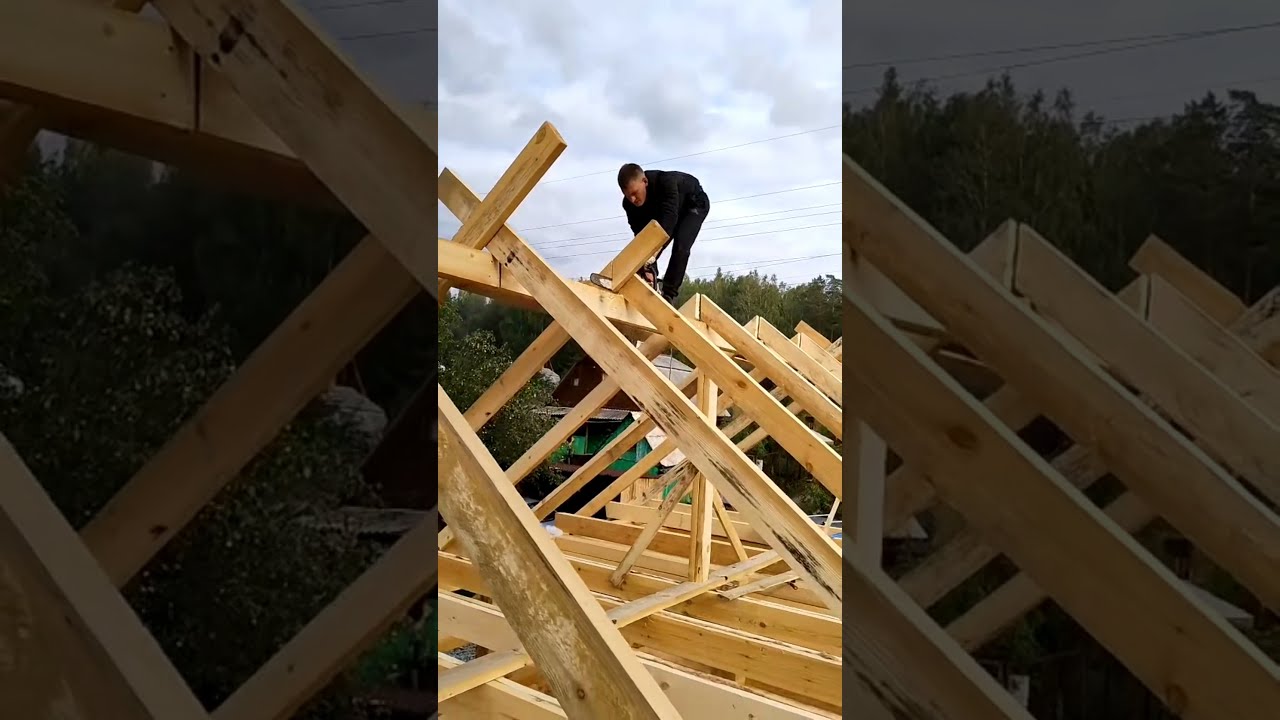
Quality control is the backbone of every successful roof. Daily pre-shift briefings, checklists, and end-of-day inspections help catch issues early. A critical practice is to verify each course for straightness and uniform exposure before moving to the next. This reduces the chance of misaligned shingles that can become water leaks or wind uplift failure points. It’s also essential to verify ventilation and underlayment integration. When these components work in harmony, you’ll see fewer callbacks and long-term performance gains.
Crew training is non-negotiable. In my experience, a crew that has undergone hands-on training with the manufacturer and understands the specific product system delivers higher quality work. Training should cover installation techniques, safety protocols, weather-related decision making, and the nuances of flashing details. It’s invaluable to have access to an online or on-site training resource and a field mentor program where seasoned installers can guide newer team members through complex details like valley treatments and step-flashings.
Let me illustrate with a real-world example. A mid-size office campus required rapid roofing across multiple buildings during a tight schedule window. We implemented a standardized installation protocol with pre-fabricated starter strips and color-matched flashing details to minimize field cutting and waste. Crews received a 2-day hands-on training with a senior installer who had completed dozens of similar projects. The result was predictable, efficient, and reproducible outcomes across all buildings, with a notable reduction in waste and rework. The client appreciated the improved project velocity and the uniform aesthetics achieved across the campus.
Common pitfalls to avoid include underestimating ventilation needs, neglecting edge detailing in high wind zones, and rushing through flashing installations. Skimping on underlayment or misreading a shingle warranty can undermine performance down the line. The best practice is to view each roof as a system with a feedback loop: inspect, adjust, and validate. Document lessons learned after each phase and update your installation playbook accordingly.
In the next section, we’ll explore client success stories that highlight the tangible benefits of a disciplined installation approach, including durability, energy efficiency, and long-term maintenance savings. You’ll also find practical tips for communicating with homeowners and stakeholders to set realistic expectations and secure confidence.
Client Success Stories: Real Outcomes, Real Confidence
Trust in a roofing partner grows not only from product knowledge but from demonstrated results. Over the years, I’ve watched clients move from skepticism to advocacy after experiencing reliability, quality, and responsive service. Here are three client stories that illustrate the tangible benefits of a well-executed roofing program backed by a global-branded supplier with local execution excellence.
Story 1: The Coastal Hotel Renovation A coastal hotel faced frequent wind-driven leaks and rising maintenance costs. The goal was a durable, low-maintenance roof that could withstand occasional hurricane activity while preserving guest comfort and interior climate stability. We recommended an IKO-based system designed for high wind uplift resistance, combined with a high-grade underlayment and an integrated ventilation plan. The project timeline was aggressive due to peak tourist season, but global supply resilience ensured material availability, and a trained crew delivered precise installation. After completion, the hotel reported a dramatic decrease in leaks during storms, improved guest satisfaction due to quieter rooms, and lower annual maintenance costs. The owner became a vocal advocate for the value of a system-driven approach and consistent training.
Story 2: The Multifamily Retrofit A portfolio of apartment complexes in a northern climate required an upgrade to reduce energy losses and address ice damming risks. We installed a thermal-optimized roof assembly that balanced insulation, ventilation, and moisture management. The residents immediately noticed a more stable indoor temperature, and the operator reported lower heating bills across the portfolio. Additionally, the installation team minimized waste with careful pre-planning and precise cutting, reducing disposal costs. The project was completed with minimal disruption to residents, and the property manager highlighted the reliability of the supply chain and the clarity of communication throughout.
Story 3: The Residential Heritage Home A historic home owner wanted a roof that matched the architectural character while offering modern performance. We worked within code constraints and used a color-matched shingle line that preserved the home’s curb appeal. The installation approach respected the building’s aging structure, with careful attention to flashing details to prevent water intrusion at historical joints. The result was a durable roof that enhanced the home’s value and preserved its character. The owner appreciated the transparency about maintenance expectations and warranty coverage, which gave them long-term confidence in their investment.
These stories illustrate a core truth: successful roofs combine high-quality materials with disciplined installation, proactive project management, and responsive client communication. When homeowners and property managers feel informed and protected by a trustworthy partner, they become lifelong advocates.
In the next section, we’ll turn to pragmatic guidance for homeowners planning a roof replacement. You’ll find a step-by-step decision framework, budget considerations, and maintenance tips to extend roof life and protect your investment.
Decision Framework for Homeowners: Budget, Code, and Long-Term Value
If you’re planning a roof replacement, entering the process armed with a clear decision framework makes a significant difference. Here’s a practical, field-tested approach to help you evaluate options, manage the budget, and secure long-term value.
Step 1: Define your climate and exposure Assess wind, rain, snow, humidity, and temperature variations in your area. This informs the right shingle profile, underlayment, and ventilation strategy. If you live in a high-wind zone, seek systems with proven uplift ratings and specialist installation guidance. If you deal with heavy snow, prioritize underlayment performance and drainage details to mitigate ice dam issues.
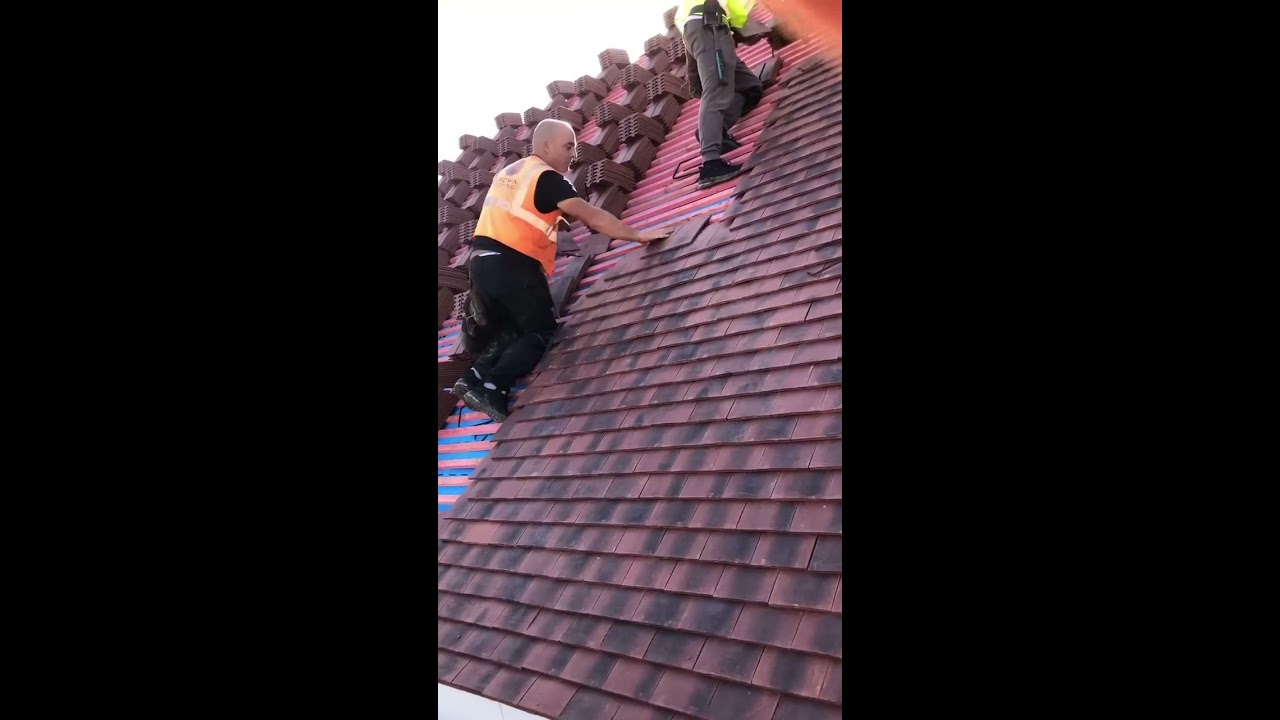
Step 2: Establish your budget with a value mindset A low upfront price is tempting, but a budget focused on long-term value is more strategic. Consider the entire roof system: shingles, underlayment, ventilation, flashing, and labor. A higher-quality system with proper installation may deliver lower maintenance costs, fewer callbacks, and improved energy efficiency over time. Request a transparent bill of materials and a detailed installation plan. Look for warranties that cover both materials and workmanship.
Step 3: Verify local code compliance and permit readiness Check local building codes for wind uplift requirements, fire ratings, and ventilation standards. Obtain permit readiness and confirm that the installer is licensed and insured. Ask for a project scope that aligns with code requirements and includes a clear warranty overview.
Step 4: Evaluate installers and training Ask how the installer trains crews, what certifications they hold, and whether they follow manufacturer installation guides. Request a reference list and photos of previous roofs with similar exposure. A well-trained crew reduces the likelihood of field issues and callbacks.
Step 5: Plan for maintenance and warranties Discuss the warranty terms in plain language. Understand what is covered, what isn’t, and how long coverage lasts. Plan for routine maintenance inspections after major weather events and during seasonal transitions to preserve performance and identify early issues.
Step 6: Build a decision checklist you can share Create a simple checklist to compare products, warranties, and installation quality. Include questions about the supply chain, lead times, and project management approach. A structured checklist helps you communicate clearly with contractors and avoid misalignment.
Here are a few practical tips:
- Ask for a “ready-to-install” package that includes the exact shingles, underlayment, and accessories for your roof size. This reduces substitutions and ensures compatibility. Request a written installation schedule with milestones for inspection, weather contingencies, and permit timing. Don’t overlook ventilation. A well-ventilated roof extends shingle life and reduces moisture-related issues in the attic. Plan for future maintenance. A roof is not a one-and-done purchase; it requires periodic checks and timely repairs to maintain performance.
To conclude this section, think of your roof as a long-term investment in safety, comfort, and property value. A thoughtful decision framework—grounded in climate, budget, and value—helps you maximize returns and avoid regret.
In the final section, we answer frequently asked questions to clarify common concerns and provide quick, actionable takeaways. We’ll also wrap up with a concise conclusion that reinforces the trust behind a well-chosen roof system and a reliable installation partner.
Frequently Asked Questions
1) How does IKO’s global presence benefit my project?
- It ensures consistent product quality, reliable supply, and access to trained installers across regions. The global footprint supports timely deliveries and uniform warranties, which translates to fewer interruptions and more predictable project outcomes.
2) What should I look for in a roof warranty?
- Material warranty length, coverage for manufacturing defects, workmanship warranty, exclusions, and transferability. Make sure coverage includes labor for repair or replacement due to defects, and understand what maintenance is required to keep the warranty valid.
3) How important is ventilation in a roof see more here system?
- Very important. Proper ventilation reduces moisture buildup, prevents ice damming in cold climates, and improves energy efficiency. The right combination of soffit intake, ridge exhaust, and underlayment complements the shingles for long-term performance.
4) How can I verify installer qualifications?
- Check licenses and insurance, ask for manufacturer certifications or training records, request recent project references, and review photos or case studies of roofs with similar exposure. A well-trained crew is a major predictor of success.
5) What is the best way to plan for weather-related delays?
- Build a contingency plan into your schedule, choosing a material supply that can adapt to weather windows. Communicate with the contractor about lead times during peak seasons and have a clear process for rescheduling without penalties.
6) How does a global brand impact maintenance costs?
- A global brand with standardized components and strong warranties tends to offer predictable maintenance needs and easier access to replacement parts. This can lower long-term maintenance costs and reduce downtime associated with repairs.
Conclusion: Trust, Transparency, and Durable Outcomes
A roof is a long-term asset that affects safety, comfort, and the overall integrity of a building. The strength of a roof depends on the synergy between high-quality materials, precise installation, robust support from the supplier, and clear, honest communication with clients. IKO’s global expansion and brand dominance are rooted in this philosophy: a disciplined blend of manufacturing excellence, strategic distribution, installer training, and a commitment to meeting local climate and code requirements without sacrificing the core standards that ensure performance.
From personal experiences to client success stories, the consistent thread is trust. When homeowners, developers, and property managers choose a roofing partner that can deliver on schedule, provide transparent warranties, and support crews with hands-on training, they gain more than a roof. They gain peace of mind and a foundation for long-term value. Whether you’re upgrading a single home or managing a large portfolio, the principles outlined here—rigorous project planning, system-wide thinking, and a true partnership mindset—will help you achieve durable, high-performance roofs.
If you’re ready to discuss your project, I’m here to help you navigate product selection, installation planning, and warranty options. Together, we can design a roof system that not only looks great but performs magnificently for decades to come.
Appendix: Quick Reference Tables
| Topic | Key Considerations | Why It Matters | |---|---|---| | Shingle Selection | Wind uplift rating, architectural vs traditional, aesthetics | Determines durability and curb appeal | | Underlayments | Material type, tear resistance, moisture protection | Secondary defense against leaks; influences deck integrity | | Ventilation | Soffit intake, ridge exhaust, overall airflow | Prevents moisture buildup and ice damming | | Flashing Details | Step flashing, chimney and valley penetrations | Critical leak prevention at joints | | Warranties | Material vs workmanship, transferability, exclusions | Long-term protection and confidence | | Installation Training | Manufacturer certification, field mentorship | Reduces rework and improves comfort with details | | Supply Chain | Lead times, regional availability, backorder handling | Maintains project schedule and budget |
If you’d like, I can tailor this framework to your local climate, building type, and project size. Let me know your location, roof size, and any design constraints, and I’ll draft a personalized plan that aligns with IKO’s strengths and proven field practices.